How to Spot a Scam Email Now That They Look Real
Published on: 30/09/2026
Scammers now use AI to write their phishing emails, so the spelling and grammar mistakes that used to give them away are gone.

News, tips, and strategic business insights related to all things technology
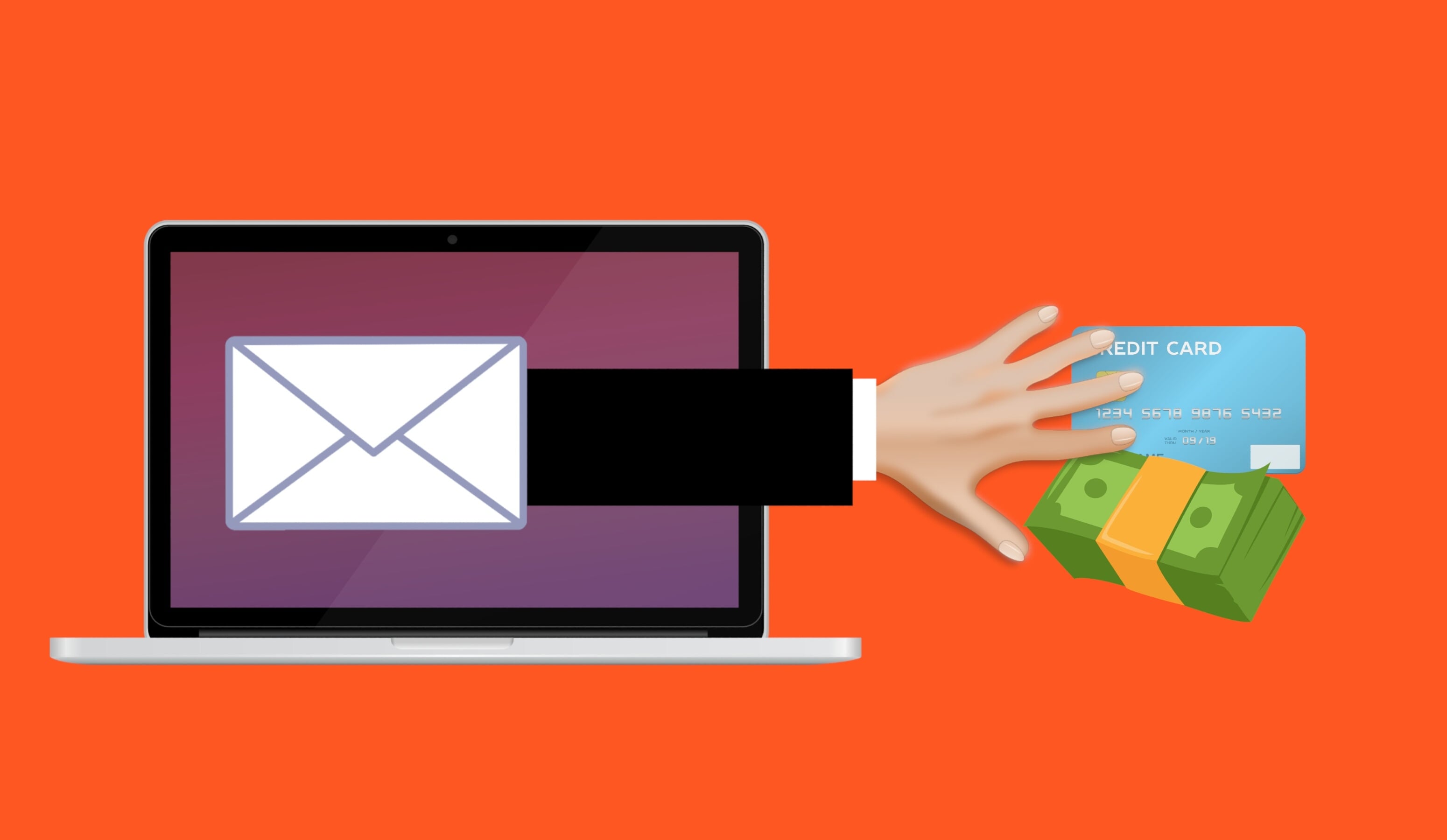
Scammers now use AI to write their phishing emails, so the spelling and grammar mistakes that used to give them away are gone.

Most small-business websites run on WordPress, and the biggest risk is usually old plugins that nobody has updated.

Scammers buy ads on Google and other search engines using the names of trusted brands and software, so their fake site shows up at the very top, above the real one.

Article Summary: If your business is hit by a cyberattack, the first hour matters. Disconnect the affected devices from the network instead of powering them off, call your IT provider by phone, and leave the evidence in place.

Article Summary: A passkey lets you sign in to an app or website using the same fingerprint, face, or PIN you use to unlock your phone or laptop, with no password to type.

Article Summary: Email spoofing is when a scammer sends a message that appears to come from your domain, often to trick your clients or staff into paying a fake invoice or changing banking details.